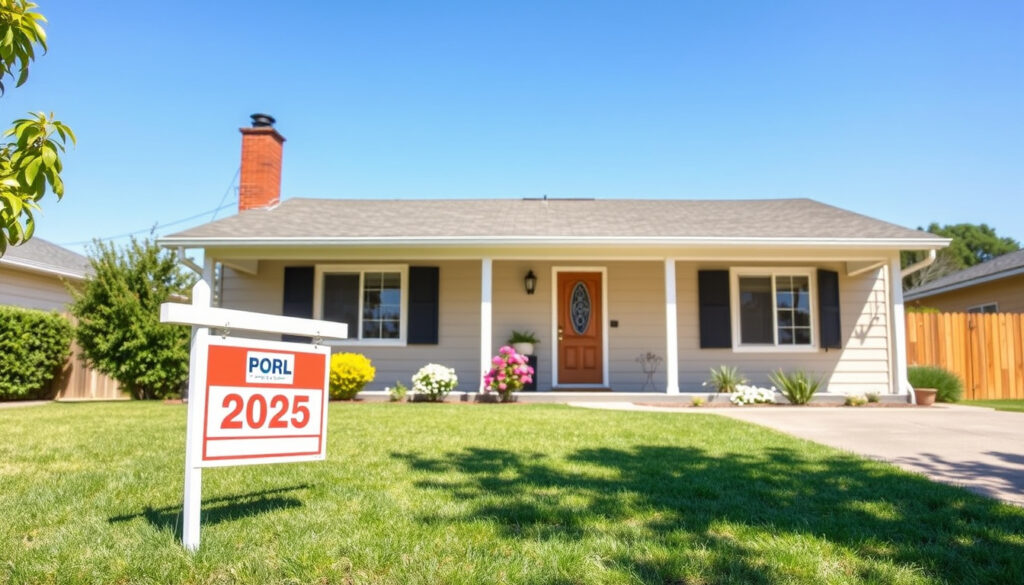
2 Bedroom House for Rent – 2025 Prices Listings and Tips
The housing market in 2025 presents a mixed picture for prospective renters searching for a two-bedroom rental house. While record apartment supply and elevated vacancy rates have created a renter-friendly environment in many markets, rent prices remain significantly above pre-pandemic levels. According to data from HUD Fair Market Rent and multiple rental platforms, the national average for a two-bedroom unit now stands at approximately $1,671 per month, with asking rents hovering around $1,689 as of February 2025.
These figures represent a modest year-over-year increase of 0.4 to 0.6 percent, according to reports from Rent.com. The market has stabilized considerably since the sharp spikes observed during 2021 and 2022, though prices remain roughly 5.6 percent below those peak levels. For families, couples, or individuals seeking additional space, understanding the current landscape of average costs, available listings, and practical considerations has become essential for making informed rental decisions.
Average Costs for 2 Bedroom House Rentals
The cost of renting a two-bedroom house varies substantially depending on geographic location, local demand, and available inventory. National data provides a baseline, but state-by-state figures reveal the significant disparities that renters encounter across different regions of the country.
Average monthly rent for a two-bedroom unit ranges from $1,500 to $2,500, depending on location, with most standard units falling between 900 and 1,400 square feet.
Key Market Insights
- The national average rent for a two-bedroom apartment reached $1,671 per month based on HUD Fair Market Rent data, with asking rents at approximately $1,689 in February 2025
- California commands the highest rents at $2,580 per month, representing a 53.1 percent premium above the national average and a 2.19 percent increase year-over-year
- States like Arkansas, Indiana, and Iowa offer the most affordable options, with rents ranging from $987 to $1,153 per month—38 to 41 percent below the national average
- The typical wage required to afford a two-bedroom rental has stabilized at $63,680 annually, the lowest point in approximately three years
- Price per square foot nationally averages around $1.80, representing a 0.4 percent decrease compared to the previous year
- HUD projections indicate an expected 4.8 percent national rise in two-bedroom rental costs for 2025 compared to 2024
- Rents are rising approximately 1.5 times faster than wages, continuing a trend that has strained affordability for many renters
| State | 2BR Fair Market Rent (2025) | Year-over-Year Change | vs. National Average |
|---|---|---|---|
| California | $2,580 | +2.19% | +53.1% |
| Georgia | $1,532 | +1.53% | -9.1% |
| Idaho | $1,447 | +20.2% | -14.1% |
| Illinois | $1,550 | -10.2% | -8.0% |
| Indiana | $1,153 | -0.78% | -31.6% |
| Iowa | $1,040 | +4.69% | -38.3% |
| Kansas | $1,085 | +2.08% | -35.6% |
Where to Find 2 Bedroom Houses for Rent
Locating an affordable two-bedroom rental house requires knowing which platforms aggregate the most listings and how to filter results effectively. Several major websites have established themselves as primary resources for prospective tenants searching across different markets and price ranges.
Major Listing Platforms
Zillow stands as one of the most comprehensive platforms, offering state-specific trend data alongside extensive listings. For example, market reports for states like Mississippi show typical rents around $1,600, though individual listings can reach $3,600 depending on location and amenities. The platform allows users to filter by price, bedrooms, bathrooms, and specific features such as garages or pet policies. Zillow’s rental market trends provide valuable context for understanding local conditions.
Rent.com publishes monthly reports that track national rental trends and maintains a large inventory of available units. According to their February 2025 data, asking rents for two-bedroom units average $1,689 compared to $1,467 for zero to one-bedroom apartments and $1,990 for units with three or more bedrooms. This pricing structure helps renters understand how two-bedroom units fit within the broader rental market. Additional market analysis from Rent.com’s price report offers detailed regional breakdowns.
iPropertyManagement provides Fair Market Rent data directly sourced from HUD, making it particularly useful for renters seeking standardized benchmarks. This platform aggregates rental listings alongside comprehensive cost comparisons across metropolitan areas and states, helping users identify whether specific properties fall above or below regional averages. More details on average rent trends by year are available through iPropertyManagement’s research.
Regional Variations in Availability
Market conditions vary significantly between cities and metropolitan areas. Rent.com reports notable rent increases in cities like Cincinnati, Providence, and Baltimore, while markets including Austin, Salt Lake City, and Jacksonville have experienced declining rents. These shifts reflect broader demographic movements, employment opportunities, and new construction activity that continue reshaping the rental landscape across the country. ConstructionCoverage.com’s analysis of cities with the largest rent changes provides additional context for understanding these geographic disparities.
What to Consider When Renting a 2 Bedroom House
Beyond the monthly rent figure, prospective tenants must account for numerous factors that influence the true cost and suitability of a two-bedroom rental. Understanding these elements helps renters budget accurately and avoid unexpected expenses during the lease period.
Utilities typically add $150 to $300 per month to rental costs, while application fees, pet deposits, renters insurance, and parking can increase total monthly expenses by 20 to 30 percent above the base rent.
Lease Terms and Application Process
Standard lease terms for two-bedroom houses typically span 12 months, though some landlords offer shorter or longer durations depending on their preferences and local market conditions. The application process generally requires submission of credit reports, proof of income, rental history, and references. Most landlords seek tenants whose monthly income reaches at least three times the monthly rent amount. With the current high supply of available units, approval timelines have shortened to approximately one to two weeks in many markets, though this varies by location and landlord requirements.
Features and Amenities
Two-bedroom houses commonly offer features that apartments may lack, including private yards, garages, and more overall square footage. Pet-friendly units typically require additional deposits or monthly fees ranging from $25 to $50, while furnished units command premiums that can reach 10 to 20 percent above unfurnished equivalents. The national average two-bedroom unit spans approximately 930 square feet based on the $1.80 per square foot pricing, though houses specifically may offer more space depending on the property type and neighborhood.
Negotiation and Market Leverage
The current renter’s market provides meaningful negotiation opportunities that were less available during the competitive conditions of 2021 and 2022. With vacancy rates at three-year highs and available supply at record levels, tenants can often secure concessions such as 5 to 10 percent rent reductions or free months of occupancy. Successfully negotiating requires understanding local market data, demonstrating stable income, and being prepared to move quickly on attractive properties.
Tenant rights and regulations vary significantly by state and municipality. The HUD Fair Market Rent system provides baseline standards for fair housing practices, but prospective renters should research local laws regarding security deposits, eviction procedures, and landlord responsibilities before signing any lease agreement.
The Rental Process Timeline
Understanding the typical timeline for securing a two-bedroom rental house helps prospective tenants plan their search effectively and set realistic expectations for each stage of the process.
- Initial Search Phase (Weeks 1-2): Browse listing platforms, narrow down preferred neighborhoods, and set budget parameters based on income and affordability calculations
- Property Viewings (Week 2-3): Schedule and complete in-person or virtual tours of shortlisted properties, assessing condition, location, and amenities firsthand
- Application Submission (Days 1-7): Prepare and submit required documentation including credit reports, pay stubs, bank statements, and references to selected landlords
- Approval and Negotiation (Days 7-14): Receive approval notifications, negotiate lease terms or concessions, and clarify any outstanding questions about the agreement
- Lease Signing and Move-In Preparation (Days 14-30): Sign the lease agreement, pay security deposits and first month’s rent, schedule utility transfers, and coordinate moving logistics for occupancy
What We Know Versus What Remains Uncertain
The rental market data available for 2025 provides a solid foundation for understanding broad national trends and regional variations, though certain limitations exist that renters should acknowledge when making decisions.
HUD Fair Market Rent data, asking rent figures from major platforms, and year-over-year trend analysis represent well-documented, verifiable information that provides reliable benchmarks for prospective renters.
| Established Information | Information That Remains Unclear |
|---|---|
| National average rent of $1,671 per month for two-bedroom units | Exact availability of pet-friendly or garage-equipped units in specific neighborhoods |
| Regional cost variations ranging from $987 (Arkansas) to $2,580 (California) | Precise impact of future economic conditions on rental prices beyond 2025 |
| Year-over-year increases of 0.4-0.6% nationally | How individual credit or income factors influence approval likelihood |
| Projected 4.8% annual increase per HUD estimates | Local market dynamics in smaller metropolitan or rural areas |
| Typical 12-month lease terms | Specific utility costs without individual property assessments |
The Broader Housing Context
The current state of the two-bedroom rental market reflects several interconnected factors that have reshaped American housing patterns since the pandemic began. Record levels of new apartment construction completed in recent years have significantly expanded available supply, contributing to the elevated vacancy rates that now characterize many markets. This construction surge followed the intense demand and rapidly rising rents of 2021 and 2022, when remote work policies and shifting lifestyle preferences drove many households toward larger living spaces.
Despite the improved supply situation, structural constraints continue influencing long-term affordability. Housing development has slowed in response to higher interest rates and construction costs, creating concerns about future inventory levels even as current conditions favor renters. The gap between wage growth and rental cost increases persists, with rents rising approximately one and a half times faster than salaries in most markets. This dynamic keeps affordability a pressing concern for many households, particularly those in lower and moderate income brackets seeking two-bedroom accommodations.
Expert Perspectives on the Rental Market
Industry analyses from rental platforms and housing research organizations provide valuable perspective on the forces shaping the current market. According to market reports from Rent.com, reduced household mobility has contributed to slower price growth as fewer renters actively search for new accommodations, decreasing competition for available units. This behavioral shift has offset some of the upward pressure from ongoing supply constraints and persistent inflationary pressures affecting the broader economy.
Coverage from real estate and housing news outlets has highlighted the uneven geographic distribution of market conditions. States experiencing rapid population growth or constrained development face steeper rent increases, as demonstrated by Idaho’s remarkable 20.2 percent year-over-year jump, while areas with slower growth or new construction booms offer more stable or declining rental costs. These regional variations underscore the importance of localized research for renters evaluating specific markets.
Key Takeaways for Prospective Renters
For individuals and families searching for a two-bedroom house to rent, the 2025 market offers both challenges and opportunities. Current conditions favor renters through expanded selection and meaningful negotiating leverage, though affordability concerns persist given the gap between rental costs and wage growth. Success requires careful budgeting that accounts for the true cost of housing beyond base rent, including utilities, fees, insurance, and potential move-in expenses.
Prospective tenants benefit from leveraging multiple listing platforms, comparing local rents against HUD Fair Market Rent benchmarks, and understanding their rights under state and local housing regulations. The search process typically spans several weeks from initial browsing through move-in, so beginning early and maintaining realistic timelines reduces stress and improves outcomes. Those with strong credit, stable income documentation, and clear rental histories will find the most competitive options available in their preferred markets. Understanding the broader context of housing market trends, such as the connection between transit options and residential choices, can also inform smarter decisions. For instance, those evaluating locations near major commuter corridors might find useful comparison data on Glasgow to Edinburgh Train – Times, Fares and Stations Guide when considering regional relocation options.
Frequently Asked Questions
What is the average cost of a two-bedroom house for rent in 2025?
The national average rent for a two-bedroom unit is approximately $1,671 per month based on HUD Fair Market Rent data, though costs vary significantly by location, ranging from under $1,000 in states like Arkansas to over $2,500 in high-cost areas like California.
How much income do I need to qualify for a two-bedroom rental?
Most landlords require tenants to earn at least three times the monthly rent in gross income. For the national average of $1,671, this translates to approximately $63,680 annually, which aligns with reported affordability thresholds for 2025.
What additional costs should I budget for beyond monthly rent?
Beyond base rent, budget for utilities ($150-300 monthly), renters insurance (approximately $15 monthly), application fees (around $50), pet deposits ($25-50 monthly if applicable), parking fees, and security deposits typically equal to one to two months rent.
Which websites are best for finding two-bedroom houses for rent?
Major platforms include Zillow for comprehensive listings and market trends, Rent.com for national data and current inventory, and iPropertyManagement for HUD Fair Market Rent benchmarks and regional cost comparisons.
Is this a good time to negotiate rent on a two-bedroom house?
Yes, the current renter’s market with elevated vacancy rates provides meaningful negotiating leverage. Tenants can often secure 5 to 10 percent reductions or free months of occupancy, particularly in markets with high supply and slower absorption rates.
What lease terms are standard for two-bedroom house rentals?
The typical lease term is 12 months, though some landlords offer shorter or longer options depending on their preferences and local market conditions. Application approval typically takes one to two weeks in the current high-supply environment.
How do two-bedroom house rents compare to two-bedroom apartment rents?
Two-bedroom houses often command slightly higher rents than comparable apartments due to added features like private yards, garages, and increased square footage. However, the pricing follows similar regional market trends and Fair Market Rent benchmarks.
What should I verify before signing a lease for a two-bedroom house?
Confirm whether utilities are included in rent, review the security deposit amount and return conditions, inspect for any maintenance issues, verify pet policies and associated fees, and understand your rights under local tenant laws before signing.
Meer gerelateerde berichten
 Bridget Riley Artist: Op Art Pioneer, Age & Artwork Value
 King Size Duvet Cover Dimensions: UK vs EU Guide
 Away in a Manger: Lyrics, History, Origin and Meaning
 Thai Restaurant Near Me – Lafayette’s Top Rated Spots
 Side Table for Living Room: Best Options & Buying Guide (Ireland)
 UK EU Referendum Results: 2016 Vote Breakdown
 Israel Adesanya: Record, Losses, Net Worth & Next Fight (2025)
 How to Send a Parcel with Royal Mail: Sizes, Prices & Guide